

Welcome to happier wellness visits.
Let’s make dogs more comfortable at the vet. With faster vaccinations and fewer needle sticks, TruCan™ vaccines can give dogs the best experience possible – so they can get back to doing what they love.
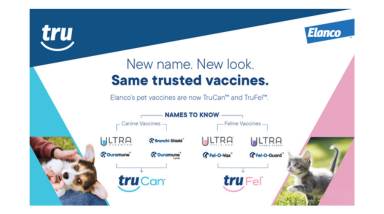
New look. Same trusted vaccines.
We believe that providing an easier experience for veterinarians helps provide a happier clinic experience for dogs. That’s why we’ve made our product packaging easier to read, names easier to understand, and created innovations to make dogs more comfortable.
 Same purity and safety
No changes to Elanco’s trusted formulations.
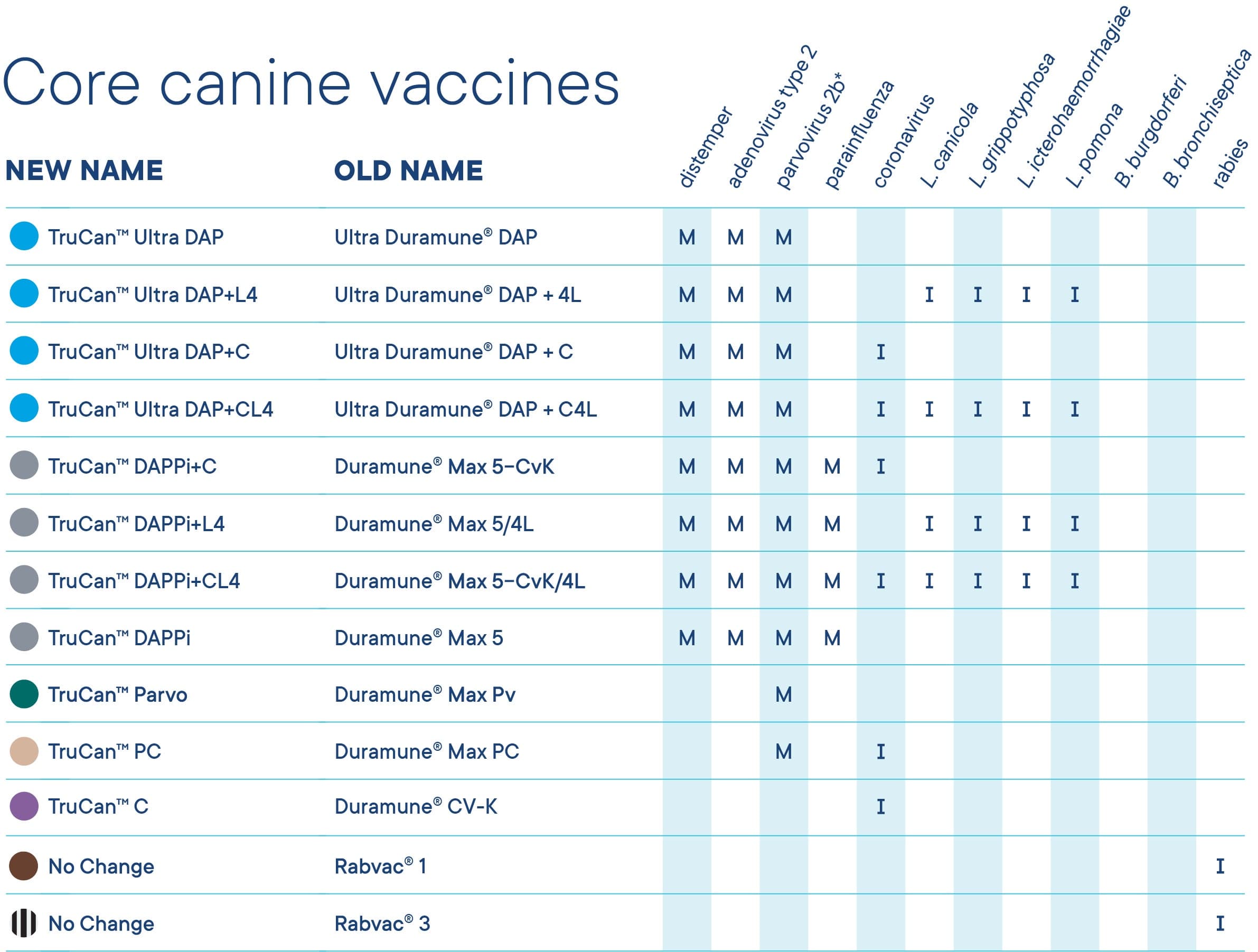
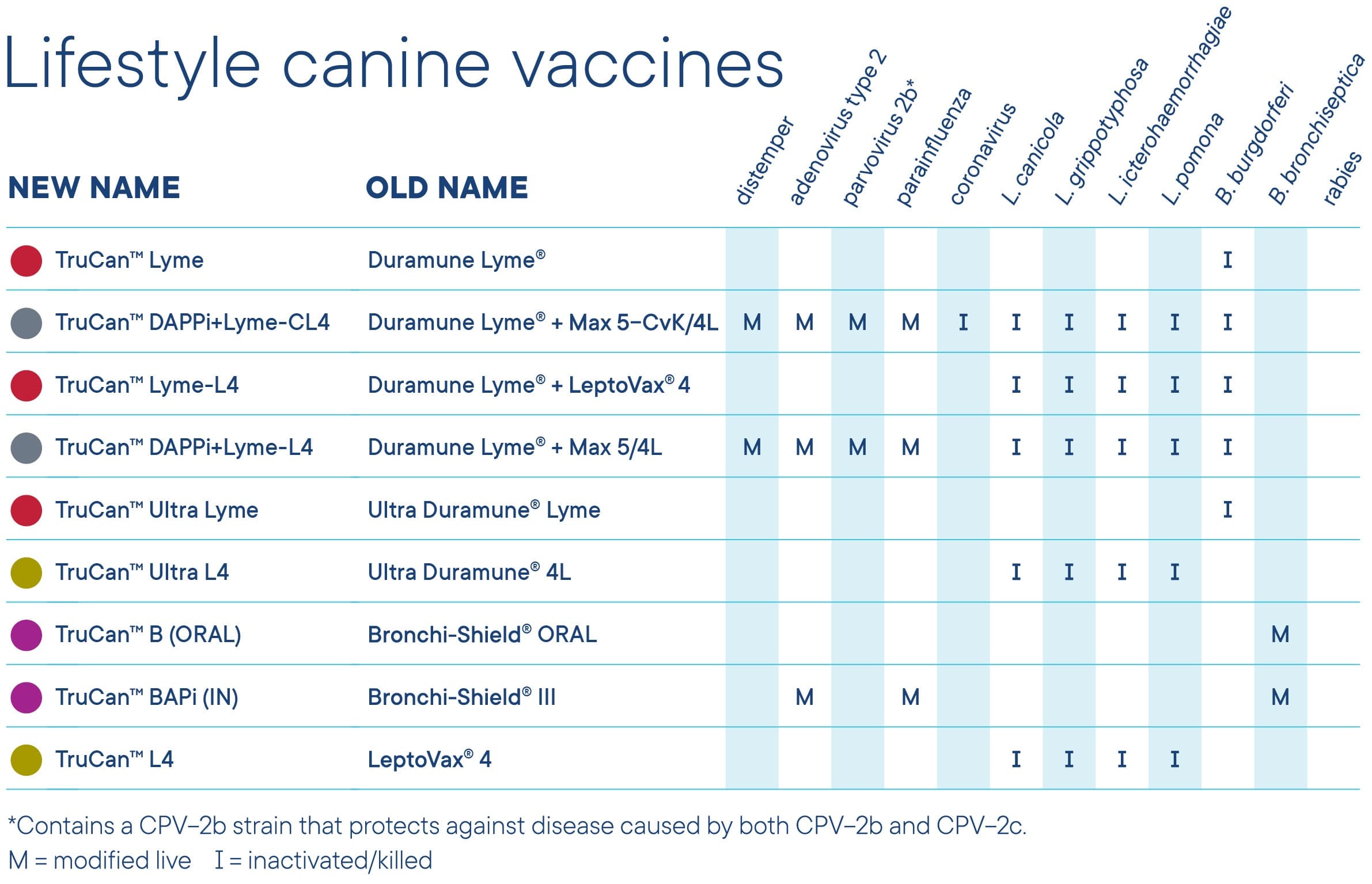
 Intuitive names
Simplified product names make your job easier.
 Easy-ID packaging
Find the vaccine you need at a glance.
Comforting canine protection
TruCan vaccines are available in comfortable and convenient combinations to fit any protocol.
TruCan Dosing Table
Focused on Fear Free® experiences
Elanco is proud to be the exclusive Biologics Category sponsor of Fear Free®, because it’s the right thing to do for pets and the people who care for them. Our vaccines help veterinary professionals provide Fear Free® experiences – and we support them with Fear Free® content like podcasts, blogs and webinars.
TruCan Resources


Vaccines Happiness Guarantee
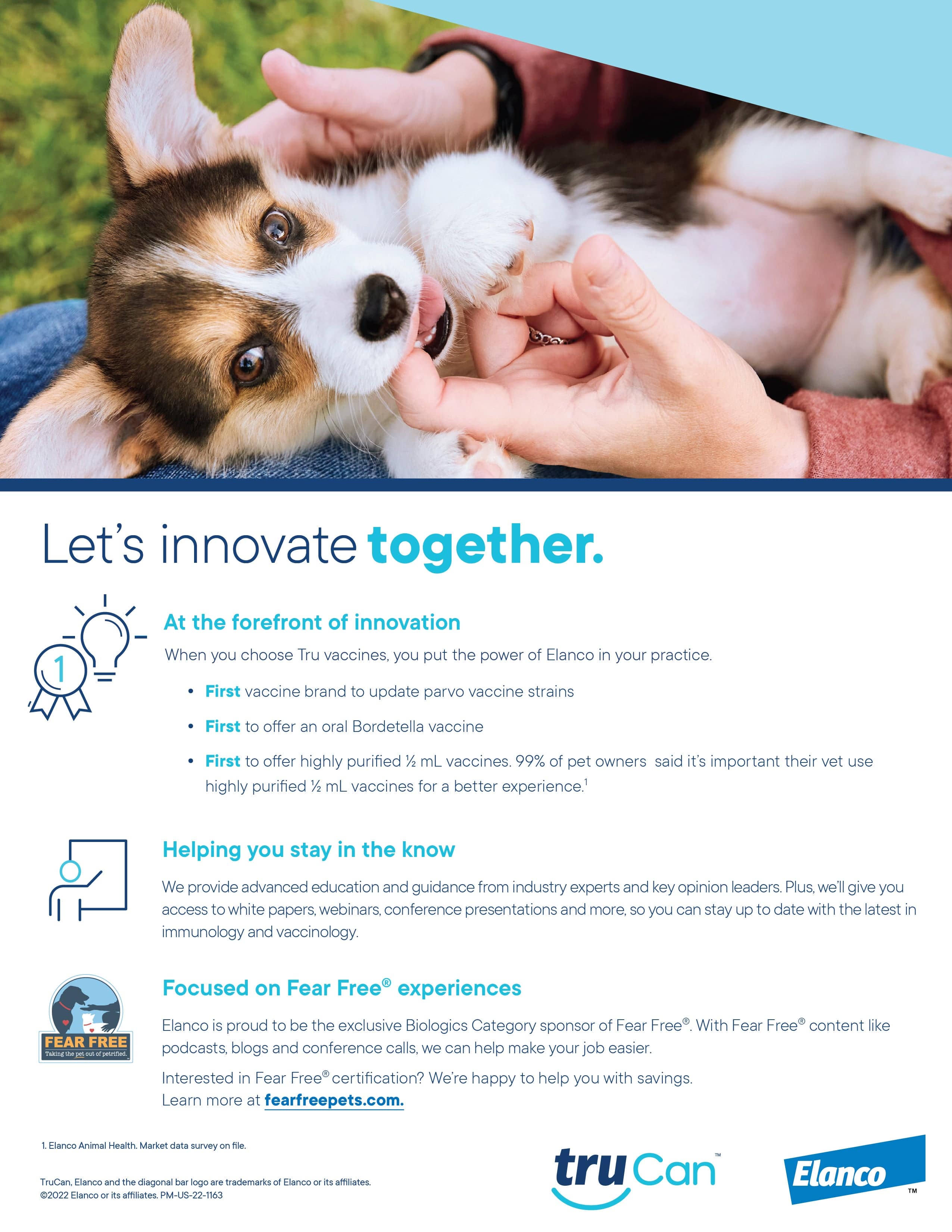
Let’s innovate together





Always read, understand and follow the label and use directions.